Choosing Diamond Stud Earrings: A Practical Guide to Style, Quality, and Comfort
Diamond stud earrings are a staple in many jewelry collections. Their simple design makes them suitable for everyday wear, yet they can also dress up for formal occasions. But choosing the right pair involves more than just picking a pretty stone. There are practical considerations, from the type of metal used to the quality of the diamond itself. This guide walks through the key factors so you can make an informed choice.
Understanding Diamond Quality
When you look at a diamond stud, what you see is a combination of the diamond's cut, color, clarity, and carat weight. These four characteristics form the basis of any diamond evaluation. For stud earrings, the balance among them matters. A well-cut diamond will sparkle more, which can make a smaller stone appear larger and more brilliant. Cut is arguably the most important factor because it directly affects how light travels through the stone.
Color and clarity also play a role, but with earrings, the setting and light exposure can hide minor imperfections. A diamond with a slightly lower color grade or a small inclusion that is not visible to the naked eye can still look beautiful in a stud. The key is to prioritize cut and then choose the best color and clarity your budget allows.
Carat Weight and Size Perception
Carat weight is often the first thing people notice, but it is not the whole story. Two diamonds of the same carat weight can look very different depending on how they are cut. A deeper cut stone may appear smaller, while a well-proportioned cut can maximize the face-up size. Also, the shape of the diamond influences how large it looks. Round brilliant cuts, for example, are known for their sparkle but can appear slightly smaller per carat compared to oval or pear shapes, which have a larger surface area.

When choosing diamond stud earrings, consider the proportion of the stone in relation to your ear and your personal style. A pair of 0.5 carat studs can be a subtle accent, while 1 carat or larger becomes a more noticeable statement. There is no right or wrong, only what feels comfortable and flattering for you.
Metal Choices and Settings
The metal of the setting affects both the look and the durability of the earrings. Common choices include yellow gold, white gold, rose gold, and platinum. Yellow gold gives a warm, classic look that pairs well with older diamond cuts or a more traditional style. White gold and platinum offer a cooler, modern appearance that can make the diamond appear whiter. Rose gold has a romantic, vintage feel and can be a nice contrast for certain skin tones.
Gold materials come in different karats, typically 14k or 18k. 18k gold is softer and more yellow, while 14k is harder and more scratch-resistant. For everyday wear, 14k gold is often a practical choice because it withstands daily bumps and knocks better. Platinum is very durable but heavier and more expensive. It also develops a patina over time, which some people like for its understated look.
Prong Setting and Security
The most common setting for diamond stud earrings is a prong setting, usually with four or six prongs. A four-prong setting allows more light to enter the diamond, enhancing its sparkle. A six-prong setting offers more security and can make the diamond appear slightly rounder. Both are reliable, but if you lead an active lifestyle or tend to bump your earrings, six prongs provide extra peace of mind. Check that the prongs are even and that the diamond sits securely in the setting. Over time, prongs can wear down and may need to be retipped by a jeweler.
Earring Backs and Comfort
Earring backs might seem like a small detail, but they are critical for comfort and security. The most common type is the push-back, also called a friction back. It is simple and works well for most earrings. However, with heavier studs, a screw-back is more secure because it twists onto a threaded post and will not accidentally slide off. For people who are prone to losing earrings, screw-backs are worth considering.
Another option is the clip-back or lever-back, but these are less common for studs. For pierced ears, the post length should match the thickness of your earlobe. A post that is too short will not fasten properly, while one that is too long can poke or be uncomfortable. Most standard posts are around 10-11 mm, which works for average earlobes. If you have thicker lobes, look for longer posts or custom options.

Piercing Styles and Placement
Diamond stud earrings are most often worn as single studs in the earlobe, but they can also be used in multiple piercings. Many people now wear a pair in the lobe and another in the upper ear cartilage. For cartilage piercings, the post length and back type become even more important. A post that is too short can cause irritation, and a push-back may not stay as secure in the cartilage. Screw-backs are often recommended for cartilage piercings because they stay put and reduce movement.
If you are planning to get a new piercing specifically to wear diamond studs, consider the healing time. Earlobe piercings typically heal in 6-8 weeks, while cartilage can take 6 months or longer. During healing, you should avoid changing the jewelry to prevent infection or irritation. Once healed, diamond studs can be a comfortable and stylish choice for almost any piercing location.
Buying Guide: What to Look For
When you shop for diamond stud earrings, bring a list of what matters to you. Start with the diamond cut: look for excellent or very good cut grades to ensure good sparkle. Then decide on carat weight based on your budget and size preference. For color and clarity, you can often go a step below the top grades and still have a beautiful stone. For example, a diamond with a color grade of G or H and clarity of VS2 or SI1 can look stunning when set in a well-made setting.
Check the symmetry and polish of the diamond. These are often listed on the grading report. Also, ask about the origin of the diamond. Many buyers now prefer diamonds that are ethically sourced or lab-grown, which are chemically identical to mined diamonds but often more affordable. Lab-grown diamonds also offer more consistent quality and fewer visible inclusions.
Finally, consider the return policy and warranty. A good jeweler will stand behind their work and offer a cleaning or inspection service. Diamond stud earrings are an investment in your daily style, so taking the time to choose wisely pays off.
Caring for Your Diamond Stud Earrings
Once you have your pair, proper care keeps them looking their best. Diamonds are hard, but they can chip if hit at the right angle. Store them in a fabric-lined box or a soft pouch, separate from other jewelry. Clean them regularly with a mild soap and warm water solution, using a soft toothbrush to remove dirt from under the prongs. Avoid harsh chemicals or ultrasonic cleaners that can loosen the prongs or damage the metal.
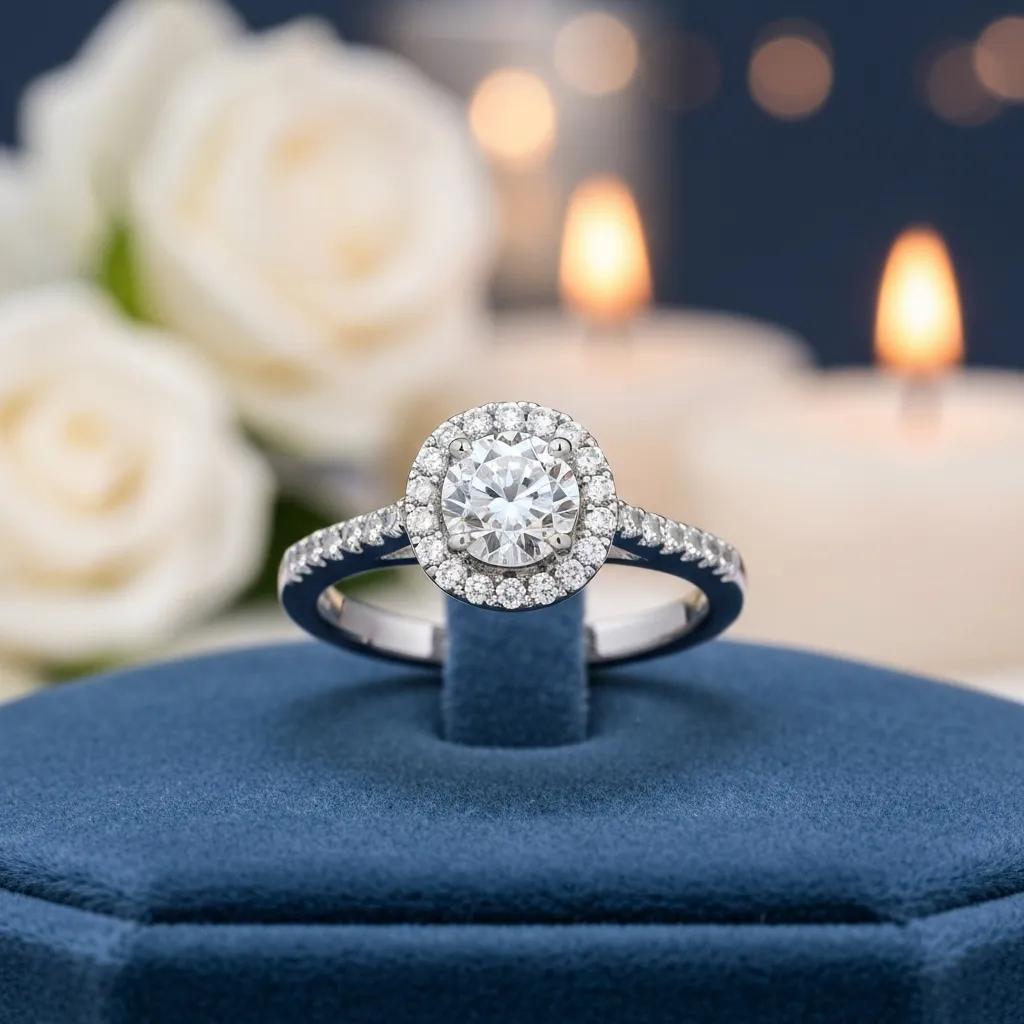
Also, have them checked by a jeweler once a year. They can inspect the prongs, clean the earrings professionally, and check for any wear. This simple maintenance extends the life of your earrings and keeps them sparkling.
Final Thoughts
Diamond stud earrings are a versatile addition to any wardrobe. By understanding the interplay of diamond quality, metal type, setting, and back style, you can choose a pair that fits your personal style and daily routine. Whether you wear them as a single pair in the lobes or as part of a curated ear stack, they offer a timeless elegance that never goes out of fashion. Take your time, ask questions, and choose earrings that you will enjoy wearing for years to come.